Our Services!

Create your own video slideshow at animoto.com.

Thursday, February 3, 2011

Spruce up your yard to help your house's appeal!


Did you happen to catch the news where they talked about how since the housing market has slowed down a lot of homeowners are improving their homes. Why not take a look at your yard and see what you can improve? If you have a nice home, a nice yard adds to the value and curb appeal! We can help you decide what would work best for you and also stay within you budget!

www.nevadatree.com

Tuesday, February 1, 2011

Many types of trees diseases and bugs easy to overlook! Free estimate!


There are all types of diseases and insects and moths that can damage your trees. Most times you will not even know they are there. Having an assessment done on your trees and shrubs could save you not only money but also your trees and shrubs! We even will come out take a look and provide a free estimate!

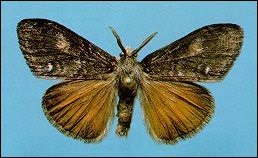
This larva that you may overlook will lead to full grown moth...which will in turn feed on your trees and shrubs!

www.nevadatree.com

Saturday, January 29, 2011

Another great client testimonial! Nevada Tree Does Great Work!

What are clients are saying? "I had another service come by and he chopped my palm tree and then left the leaves and bark in the street! When asked what to do with them - he said "Oh the trash guy will pick up!" Well they did not until I bundled them and cut them up myself! Nevada Tree does an excellent job and CLEANS up afterward!"

www.nevadatree.com

Monday, January 24, 2011

Customer Testimonials! Nevada Tree is here for you!


We have several satisfied customers - "They did a great job! Quick, efficient, and cleaned up after the services well! I have several varieties of trees and all were taken care of. PLUS they really listened to what I wanted, asked for a little more to be taken off a tree and they did! Would use again!"

www.nevadatree.com

Thursday, January 20, 2011

Is your "Newbie" tree exhibiting some problems?


Our weather here in Las Vegas has been up and down! Some of your younger trees (just like children) need extra care! Call us if you notice anything unusual such as "cracking bark" or brown leaves or bare patches or parts of your tree that is brown with the rest being green!

http://www.nevadatree.com

Wednesday, January 19, 2011

Tip on how you can help your trees weather the winter!


So surprise...winter or at least our version of it is not over! A tip for your trees to weather this chilly weather. Now is a great time for you to use some organic mulch, and this includes leaves, grass clippings and incorporate into the soil! This will include much added nutrition and will cut down on the number of disease spores that can affect the new growth of your trees in the spring.

Of course we can always come out and for no charge take a look at your soil and let you know needs to be done!

Tuesday, January 18, 2011

Keeping your trees safe..from wildlife chewers!


Okay so maybe we do not have wild deer wandering around chewing on the bark of palm trees...but we do have other various wildlife..so if you have an overzealous canine chewer or maybe prairie dogs etc...we can install plastic tree guards! http://www.nevadatree.com

Friday, January 14, 2011

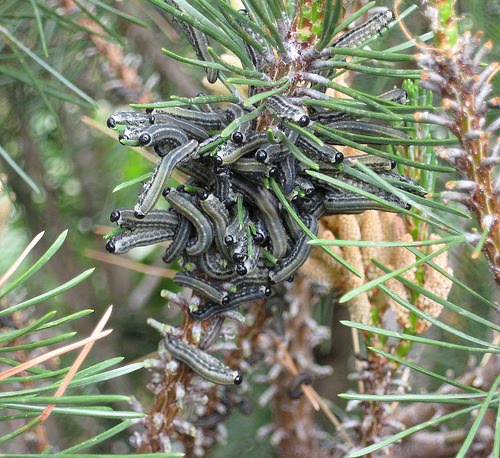
Bug Infestations is not good for trees!! We can help!


Some of the damage that some bugs can do...but really is there anything good that a bug can do to your trees?? These nasty little buggers will defoliate your pine trees!! UGH - BAD Sawfly Caterpillars! We can take a look at your trees and let you know if you have any impending infestations!! Now during the winter is a great time...hint..they are sleeping!!


For our services and more information - www.nevadatree.com

Thursday, January 6, 2011

Winter Pruning can keep your trees healthy! Diseases and Insects dormant!


Winter pruning of your trees and shrubs is an important part of maintaining a healthy and well maintained landscape! Did you know that during the winter months diseases and insects that may infect trees are dormant..."sleeping for the winter!" Pest like these!! Call us for your "Free Estimate" - 702-433-4700

Monday, December 27, 2010

New Year - New Tree for your yard! Live Oak Tree!


New Year – New Trees! Generations will be able to enjoy this wonderful tree! The live oak makes a colorful, useful edition to any yard! It is a good shade tree and can be quite ornamental! Keep in mind this tree will grow to about 90 ft. high and about 100ft wide. Plant in a place with room to grow! Some tree maintenance is involved. The “Quercus virginina” needs to be trimmed regularly and be shaped in a ball, canopy or square. Call us for planting, maintaining needs.


http://www.nevadatree.com

Monday, December 20, 2010

Tips for keeping your home safe with live Christmas Trees!


When a Christmas tree is cut, over half of its weight is water. With proper care, you can maintain the quality of your displayed trees. Below are a number of tips relating to the care of displayed trees:
1. Displaying trees in water in a traditional reservoir type stand is the most effective way of maintaining their freshness and minimizing needle loss problems.
2. Make a fresh cut to remove about a 1/2-inch thick disk of wood from the base of the trunk before putting the tree in the stand. Make the cut perpendicular to the stem axis. Don't cut the trunk at an angle, or into a v-shape, which makes it far more difficult to hold the tree in the stand and also reduces the amount of water available to the tree.
3. Once home, place the tree in warm water as soon as possible. Most species can go 6 to 8 hours after cutting the trunk and still take up water. Don't bruise the cut surface or get it dirty.
4. To display the trees indoors, use a stand with an adequate water holding capacity for the tree. As a general rule, stands should provide 1 quart of water per inch of stem diameter. Devices are available that help maintain a constant water level in the stand.
5. Use a stand that fits your tree. Avoid whittling the sides of the trunk down to fit a stand. The outer layers of wood are the most efficient in taking up water and should not be removed.
6. Keep displayed trees away from sources of heat (fireplaces, heaters, heat vents, direct sunlight). Lowering the room temperature will slow the drying process, resulting in less water consumption each day.
7. The temperature of the water used to fill the stand is not important and does not affect water uptake
.
8. Check the stand daily to make sure that the level of water does not go below the base of the tree. With many stands, there can still be water in the stand even though the base of the tree is no longer submerged in water.
9. Drilling a hole in the base of the trunk does not improve water uptake.
10. Use of lights that produce low heat, such as miniature lights, will reduce drying of the tree.
11. Always inspect light sets prior to placing them on the tree. If worn, replace with a new set.
12. Do not overload electrical circuits.
13. Always turn off the tree lights when leaving the house or when going to bed.
14. Monitor the tree for freshness. After Christmas or if the tree is dry, remove it from the house.
15. Go to www.realchristmastrees.org and type in your ZIP code to find a recycling program near you.
16. Never burn any part of a Christmas tree in a wood stove or fireplace.

Prepared by Dr. Gary Chastagner and Dr. Eric Hinesley
Edited by the Scientific Research Committee of the National Christmas Tree Association

Thursday, December 16, 2010

Want a BLOOM of color for your yard?? You can plant now and enjoy in spring!


* Pest and disease resistant

* Highly drought tolerant

Spectacular blooms last from spring until fall!

One of the hardiest Crape Myrtles available. Resists mildew, disease and insects.

Some of the brightest red blooms of any tree... typically lasting a full 120 days… from spring to fall.

Crape Myrtles are excellent specimen trees, as well as natural privacy barriers. Many customers choose to line their driveways with this stunning tree.

Others use them as attractive focal points at the corners of their foundation plantings. Also an exceptional choice to plant in groupings at the corners of your property.

The Dynamite Crape Myrtle Tree can be planted any time of year and we will help you order and plant so your yard can be blooming with color!

Saturday, December 11, 2010

Tips, thoughts and ideas for decorating your yard for the holidays!


Thinking about decorating your yard? "An important thing to keep in mind is the electric bill that will come with using a lot of lights. Sometimes smaller is better. If the yard is too cluttered, things will be missed. Use a good design and chose something to be the focus of the decorations. Lay out things on paper fir...st to see if you like the way they will look. You might even take a photo of the front of your house, print it out and play with scale drawings of the decorations you want to use to see if you’ll like it."

Monday, December 6, 2010

Selecting a Christmas Tree - A safety tip!!


Selecting a Tree for the Holiday!
Needles on fresh trees should be green and hard to pull back from the branches, and the needle should not break if the tree has been freshly cut. The trunk should be sticky to the touch. Old trees can be identified by bouncing ...the tree trunk on the ground. If many needles fall off, the tree has been cut too long, has probably dried out, and is a fire hazard!!


For any and all questions please call or take a look at:
www.nevadatree.com

Tuesday, November 30, 2010

You can damage your maple trees! Not fatal but dangerous!


Did you know that you can damage your maple tree? By trimming yourself they can “bleed!” What is this? When Maples are trimmed or damaged during their dormant season (no leaves on the tree) they will often 'bleed' by dripping sap. This is more alarming to watch than it is to the tree. As leaves come on in spring th...e 'bleeding' will cease. Even though this sort of bleeding hasn't been shown to harm Maples, this annoyance is one reason that Maples are often trimmed while they are in 'full leaf' so this dripping does not occur!

Spring Planting Guide! Very Useful Information...


Not to early to think about what you are planning on planting this Spring! Take a look at the table below and please give us a call is you have any questions! Enjoy! 702-433-4700


Common Name Scientific Name
Height (feet)
Growth
Rate Longevity
Water
Needs Uses in the Landscape
Grass

Alkali Sacaton Sporobolus airoides 3 Mod Mod Low H, D, E
Indian Rice Grass Achnatherum hymenoides 2 Mod Short Low D, W, H
GROUNDCOVER
Anemopsis Anemopsis californica 1 Mod Long High N, M
Desert Carpet Acacia Acacia redolens 2 Fast Short Low E, D, EG
SMALL ORNAMENTAL
Bi-Color Penstemon Penstemon Bicolor 3 Mod Short Low W, C
Desert Marigold Baileya mulitradiata 2 Slow Short Mod C
Flax Linum lewisii 2 Mod Short Mod C, D, L, E, W
Globe Mallow Sphaeralcea ambigua 4 Fast Short Low N, C, D, M
Green Indian Tea Ephedra viridis 3 Slow Long Low H, D
Horsetail Equisetum hyemale 4 Fast Long High EG, E
Indian Tea Ephedra nevadensis 5 Mod Short Low H, W
Mojave Woodyaster Xylorhiza tortifolia 2 Fast Low C
Mountain Rush Juncus balticus 1 to 3 Fast Mod High H
Palmer's Penstemon Penstemon palmerii 4 Mod Short Low W, C
VINE
Trumpet Vine Campsis radicans 40 Fast Long Low L, W, D, C
CACTUS
Beavertail Cactus Opuntia basilaris 1 Slow Long Low N
SHRUBS
Apache Plume Fallugia paradoxa 6 Mod Long Low E, N, D,C, EG
Bladdersenna Colutea arborescens 8 Fast Long Low W, D, E, H
Burrobrush Hymenoclea salsola 3 to 8 Fast Short Low N, H, D
Bursage Ambrosia dumosa 2 Fast Short Low N, H, D
Caragana or Siberian Pea Shrub Caragana arborescens 10 Fast Mod Low E, S, D, L, W
Caragana Pygmy Variety Caragana Pygmaea 3 Mod Mod Low E, S, D, L, W
Centennial Broom Baccharis 'Centennial' 3 Fast Long Low EG
Cotoneaster Cotoneaster acutifolius 10 Fast Mod Low E, S, D, M, W
Creosote Larrea tridentata 6 Slow Long Low EG, N, S, W
Desert Broom Baccharis sarothroides 7 Mod Short Low E, N, H, D
Desert Princeplume Stanleya pinnata 5 Fast Short Low C
Emory Baccharis Baccharis emoryi 12 Fast Mod Mod H, N, W
Euonymus Euonymus japonica 6 Mod Long Mod E, S, EG, L, W

E- Erosion Control, N- Native, D- Drought Tolerant, C- Color, W- Wildlife, H- High Salt Tolerance, M- Moderate Salt Tolerance, L- Low Salt
Tolerance, EG- Evergreen, S- Wind Screen


For other related topics please visit - http://forestry.nv.gov/ndf-state-forest-nurseries/las-vegas-state-tree-nursery/

Monday, November 29, 2010

What happens to your tree during winter??


It may seem like your tree is inactive during the winter months. However much like your care they need to winterized! The fact is they continue to regulate their metabolism and only slow down some physiological activities. This decrease in photosynthesis and transpiration begins a tree's dormant phase. Trees still continue to slowly grow roots, respire and take in water and nutrients. Winter is a difficult time for a tree.Call us for a free estimate on how to keep your trees healthy and safe for the winter!


The tree pictured is a 'Winter King' Green Hawthorne gets its name from the outstanding profusion of winter-persistent red berries.


http://www.nevadatree.com

Friday, November 26, 2010

Tips and information on what/how to burn real wood in your home


Now that the fall chill is in the air..nothing can create a warm filled environment like a real fire burning in the fireplace. Keep in mind that this is not an efficient way to heat your home!

We do have firewood for sale and there a just a few things to keep in mind when looking for wood:

Quality

"The quality of the wood depends upon many factors, including what kind of tree it comes from and how long it has aged. Different types of wood have different characteristics, including amount of heat, length of burn time, aroma, smoking and sparking. There are many types of trees, and therefore many different woods. Some of the top woods for burning are: Apple, Ash, Beech, Birch Cedar, Cherry, Hazel, Holly, Hornbeam, Larch, Laurel, Maple, Oak, Pear, Pine, Plum, Thorn, Walnut and Yew. The woods from fruit trees, such as Cherry, Apple, and Plum tend to be the most pleasant smelling.

Please also have a screen in place so no sparks fly out and cause damage!

Also ask if the wood is seasoned! If it is green it will smolder and will not burn as nicely! And it might just be smokey!

Price

"In order to comparison shop for wood, it is important to understand a few terms. Find out is the price is based on a cord, face cord, pickup truckload or some other amount. The manner in which the wood is stacked, what kind of truck is used and how the truck is loaded are all important to know when comparing quantity.

Cord: A stack approximately four feet high, four feet deep, and eight feet long.

Face Cord: A less precise standard measurement then the Cord. It usually means a stack equal in height and length but will less depth compared to a standard Cord."

Delivery
When shopping for firewood, ask if the price includes delivery and stacking. How the firewood is cut and stacked is important, Proper storage of the wood ensures that the wood will continue to season properly. Do not cover the stacked wood with a canopy, it causes the condensation to remain in the wood.

Enjoy your fireplace and remember always open the chute!

Thursday, November 18, 2010

How can Topping off a Tree be harmful??


What is topping a tree?

Topping is the indiscriminate cutting of tree branches to stubs or lateral branches that are not large enough to assume the terminal role. Other names for topping including “heading,” “tipping,” “hat-racking,” and “rounding over.”

Topping is perhaps the most harmful tree pruning practice known. It is usually done to reduce the size of a tree. Often, homeowners top their trees because they feel that they have become too large for their property and are a hazard. However, topping will make a tree more hazardous in the long term and is very harmful to the health of a tree.


Tree on the top has been topped off! Look at the difference. If you need to have your trees trimmed call a Professional!

Saturday, November 6, 2010

Interesting Tree Fact..stoutest tree in the world!


What is the stoutest tree in the world? Well it used to be the African Baobab “Adansonia digitia: 15.9 cm (52 ft.), Glecoa Baobab which as measured near the ground and is located in Limpopo Province, South Africa. Unfortunately the tree split up in November 2009.